Moved

This blog has moved to offthespork.com. Thanks!

Wednesday, January 13, 2010

Japan: Kyoto - Tea ceremony

As mentioned in the ramen post, Kyoto was our last stop in Japan. Kyoto is one of Japan’s best preserved cities, and was the capital and the emperor’s residence from 794–1868. The city is full of temples, shrines and has an amazing cultural heritage.
Golden Pavilion


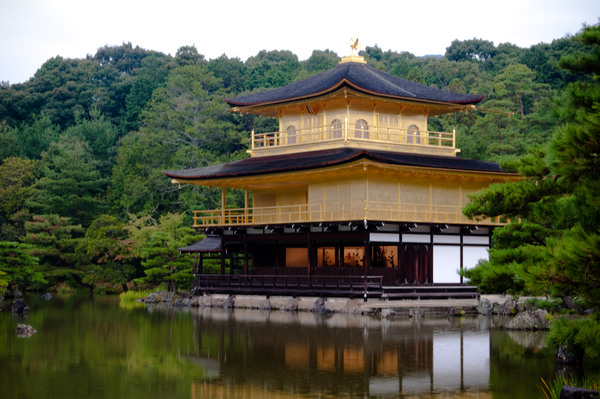
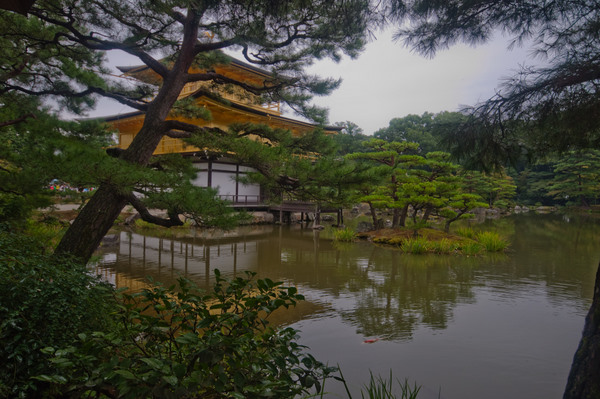
While in Kyoto, one of the places we saw was Kinkaku-ji – the Temple of the Golden Pavilion. The Golden Pavilion is a Zen Buddhist temple, and the original Kinkaku-ji was built in 1397 as a retirement villa for Shogun Ashikaga Yoshimitsu. He intended to cover the exterior of the building with gold, but only managed to coat the ceiling of the third floor with gold leaf before he died.

After Ashikaga‘s death, his son converted the building into a Zen temple. Over the years, the temple was burnt down and restored several times (the story of temples and shrines in Japan, huh!).
Golden Pavilion


The present structure dates from 1955, and was rebuilt true to the original except that both the upper stories were covered in gold leaf, in accordance with Ashikaga’s original intentions. In 1987, a new lacquer coating and gilding with golf leaf was added that was five times thicker than the original coating. It’s a beautiful complex, with the Golden Pavilion situated in its garden at the edge of a lake, and is VERY popular for school excursions. In fact, the day we visited, there were hundreds of school kids there in their uniforms. As mentioned in previous Japan posts, we were “shrined/templed out” well before we reached Kyoto, but the Golden Pavilion was a worth while visit. It was really beautiful, despite the hordes of school children (okay, they were kind of cute).
Tea ceremony demonstration
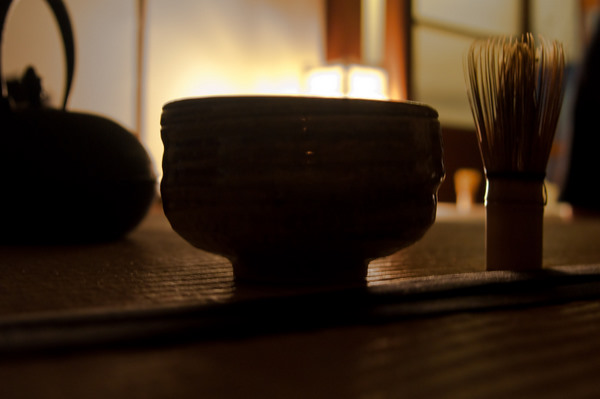
Tea bowl and bamboo whisk


While in Kyoto, we also attended a tea ceremony demonstration.

The Japanese tea ceremony is a traditional ritual that involves the preparation and presentation of matcha, powdered green tea. The development of the ritual was influenced by Zen Buddhism, and the tea is prepared by a skilled practitioner and served to a small group of guests. The setting is very important, as is the preparation of the tea, and the study of tea ceremony takes many, many years.
Tea ceremony demonstration


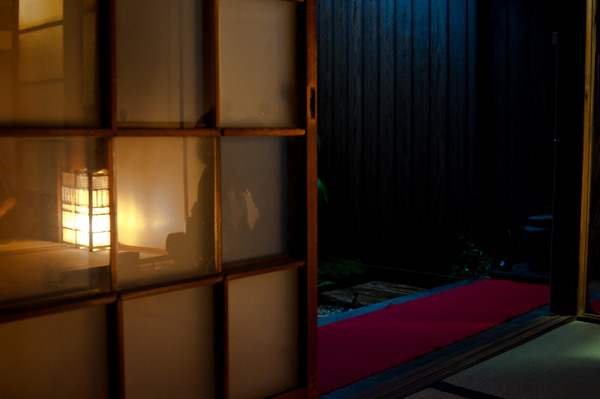
We entered the small, tatami lined room, and took a seat by the wall. To one side was an open door, that lead out to a small Japanese style garden. It was raining that evening, so we could hear the pitter patter of the falling rain as our kimono-clad host outlined the ritual behind the tea ceremony. She explained to us the importance of the setting, drawing our attention to the calligraphy in the scroll alcove, and the simple flower arrangement nearby. She told us that the scroll and the flower arrangement are always carefully chosen to set the mood and the atmosphere of the tea ceremony.

The tea ceremony consists of many steps, and the guiding philosophy rests on four important principles: harmony, respect, purity and tranquillity. Our host described how tea ceremonies are normally run – there can be shorter ceremonies that consist of sweets, tea and sometimes a light meal, while there are more formal gatherings that include a full-course kaiseki meal that can last up to four hours.
Tea ceremony demonstration


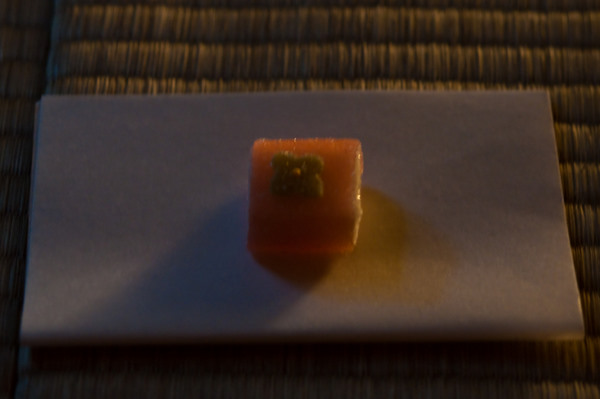
We were all given a sweet to eat. The sweet is eaten before drinking the tea, as it helps to counteract the bitterness of the tea. Our host explained the importance of the equipment used in the ceremony. A wide range of equipment is available, and different styles are used for different events and in different seasons. The essential equipment included tea bowls, a tea caddy which holds the powdered tea, a tea scoop which is generally carved from a single piece of bamboo, a tea whisk, also carved from a single piece of bamboo, and a cloth used for wiping the tea bowls. All different sizes and styles of tea bowls are available, and some bowls are extremely valuable. Slight idiosyncrasies and flaws in the bowls are considered to make bowls more interesting than another and are prized.
Tea ceremony demonstration


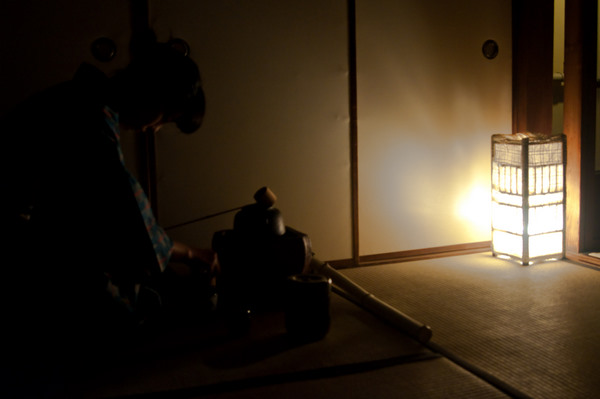
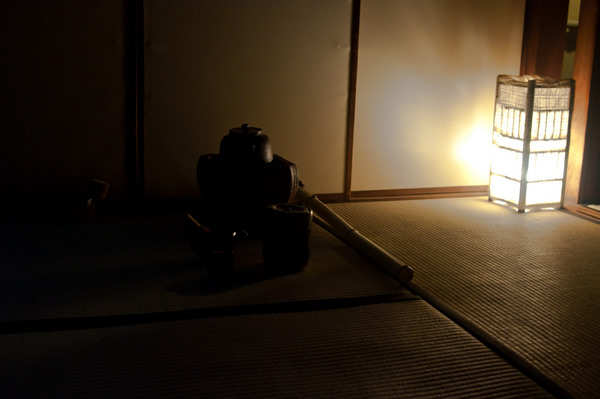
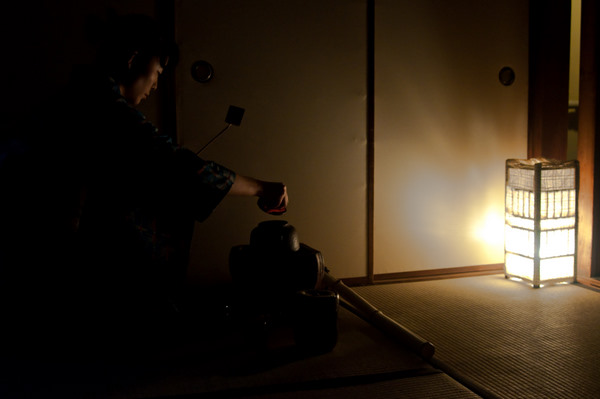
Our host started the tea ceremony demonstration, her movements slow and considered. Everything was done with great care, whether it was wiping all the utensils, folding her cloth, scooping tea into a tea bowl, adding water, and whisking the tea until it was thick and frothy. It’s hard to describe exactly what it was like – her movements were almost like a dance, they were so exact and smooth. The room was dim and silent apart from the sound of falling rain. It was incredibly atmospheric!
Tea ceremony demonstration


We had an opportunity to try whisking the tea before tasting it. Whisking it to a smooth froth was harder than it looked and my tea ended up still a bit clumpy. The tea was quite bitter and also quite thick, similar to the thickness of a milkshake. Definitely not something that you would drink every day.
Tea ceremony demonstration


I loved the demonstration. It was fascinating to watch our host prepare the tea, and learn about all the thought and ritual behind it. After the demonstration, Alastair and I wandered back out into the rain, feeling a bit more tranquil. It was well worth the experience.


Sunday, January 10, 2010

Cookbook Challenge: Week 8, Sweet

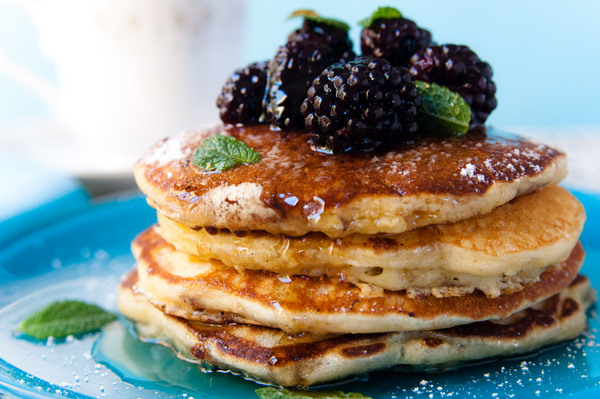
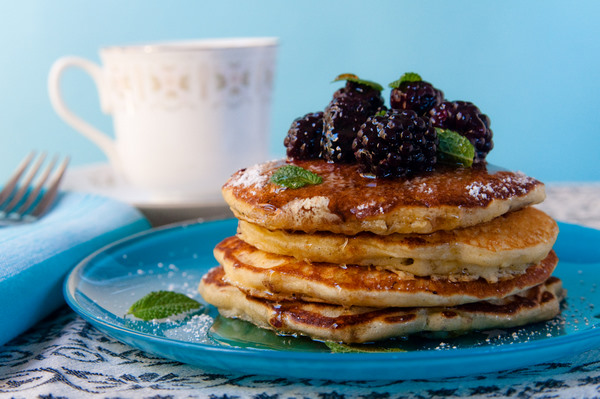
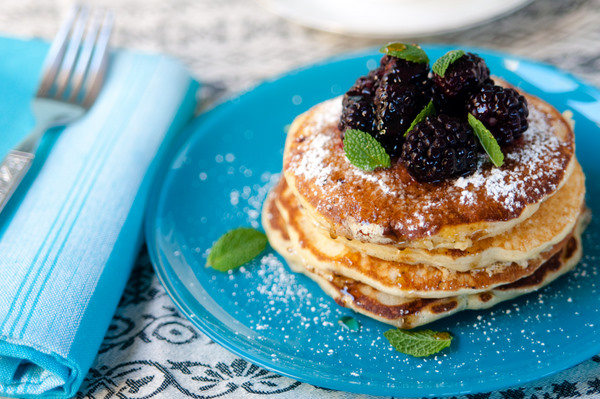
Berry buttermilk pancakes


Recipe: Berry buttermilk pancakes
From: Stephanie Alexander's The Cook's Companion


The theme for this week's Cookbook Challenge is "sweet" and I decided to make pancakes. What is sweeter than a leisurely Sunday breakfast of pancakes with the one you love? Not much, I think!

The Cook's Companion suggests preparing the batter the night before, up to the stage before adding the egg whites, for a quick breakfast. Great idea, although preparing the batter from scratch doesn't actually take all that long. It's the cooking that takes the longest, though there are machines to help with that.....

Berry buttermilk pancakes


The original recipe didn't specify any sugar to be added to the pancake batter, so I included a tablespoon of caster sugar. Even with the additional sugar, these pancakes aren't very sweet - smothering them in maple syrup is a definite requirement. They are beautifully fluffy though and definitely worth the effort.

And a tip - don't be tempted to just throw your berries into the batter before cooking, unless you don't mind irregular sized pancakes. I made three perfect round pancakes before I got bored and threw all the blackberries into the batter. After that, all the pancakes were interestingly shaped! Oh well. Judging by the five pancakes Alastair scoffed down, the strange shapes didn't detract from the taste!

See previous Cookbook Challenge posts here.

Update: See the round up for this week at My Food Trail.

Berry buttermilk pancakes


Berry buttermilk pancakes

Adapted from Stephanie Alexander's The Cook's Companion

Makes 18 pancakes


3 eggs, separated
2 cups buttermilk
60g butter, melted
300g plain flour, sifted
1 teaspoon salt
1 tablespoon caster sugar
1 teaspoon baking soda, sifted
extra butter or oil spray
About a cup of fresh berries

Beat the egg yolks well and then whisk in the buttermilk and melted butter.

Add the dry ingredients to the egg mixture and fold in.

Whisk the egg whites to soft peaks and fold into the batter.

Heat a frying pan and lightly grease. Ladle in 1/4 cup of batter and scatter some berries over the uncooked batter. When bubbles form, flip with a spatula and cook the other side before transferring to a plate. Repeat until all the pancakes are ready.

Serve with additional fresh berries and maple syrup.


Friday, January 8, 2010

Japan: Kyoto – ramen

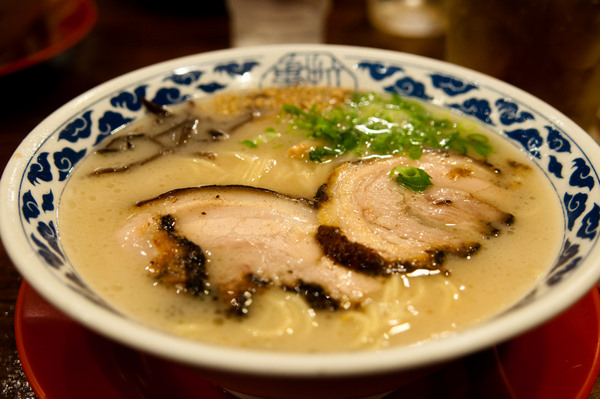
Ramen


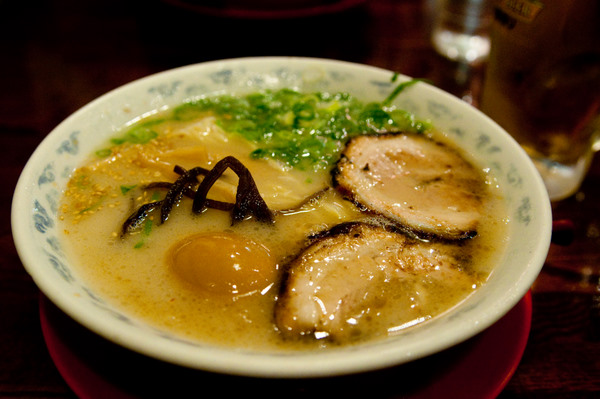
Kyoto was our last stop in Japan (sob, sob, sob) and when we got there we realised we had eaten almost everything we had wanted to on the trip - apart from ramen. Naturally this had to be rectified! So ramen for dinner it was, at a small place around the corner from our hotel. It sold ramen, gyoza and beverages.

Ramen


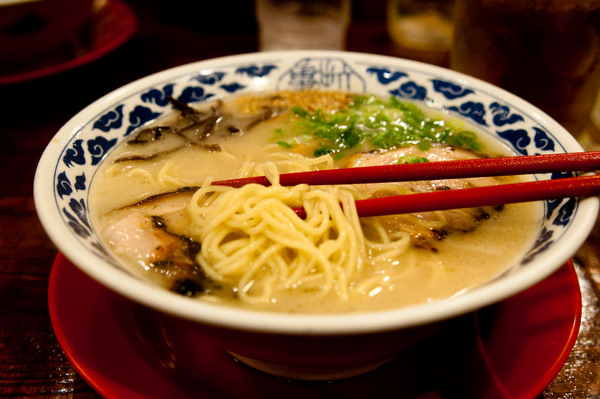
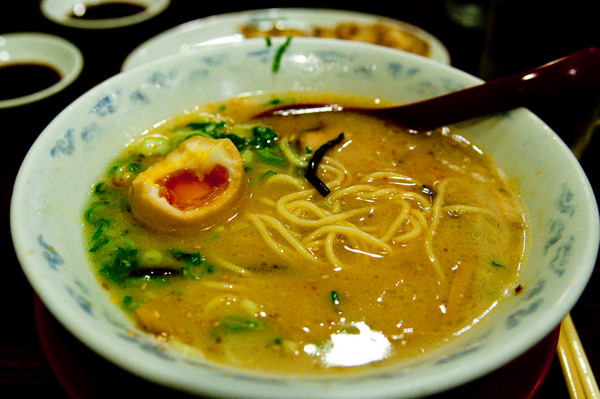
Alastair and I both ordered the chashu (pork) ramen in a pork broth and shared a serve of gyoza. The creamy coloured broth was porky, salty and rich, and the noodles had the perfect texture – soft but still slightly firm and springy. The pork meat was extremely tender, on the verge of falling apart in the broth. The gyoza, that I neglected to photograph, were also delicious. They had a super soft skin and very tasty meaty filling.

Ramen


In fact, we enjoyed the ramen so much we went back for dinner on our last night in Japan. I must have been feeling lazy by this stage of the trip, because I didn’t take a photo of Alastair’s ramen or note down what my ramen was (fail blogger). Alastair had the chashu ramen again – but this time he had double pork! I wish I had requested double pork, the meat really was fantastic. Instead, I choose a slightly different ramen from the first night, the name of which escapes me, but it was equally as delicious.

Ramen


The egg in my ramen was fantastic - the white was set, but the yolk was still gooey and runny. Neat, huh?

Ramen
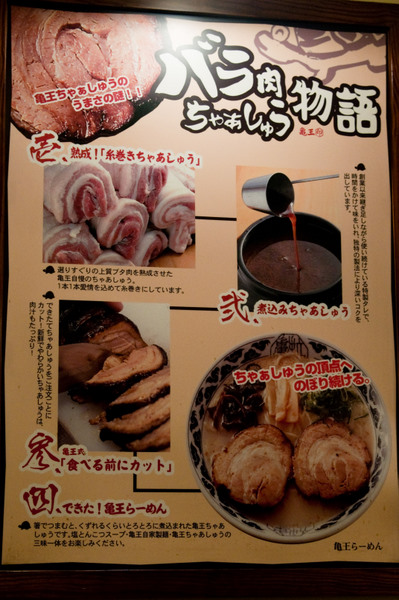
Poster on the wall showing how the pork is prepared


I have eaten ramen in Melbourne before, but they couldn't compare to these bowls of deliciousness. There are several food bloggers who seem obsessed with finding a good ramen, and now I finally "get" the obsession. Ramen is fantastic! I won't say that I'm obsessed at this stage, but.... any suggestions for good ramen places in Melbourne will be gratefully received. :D


Tuesday, January 5, 2010

Japan: assorted bento boxes

Shinkansen


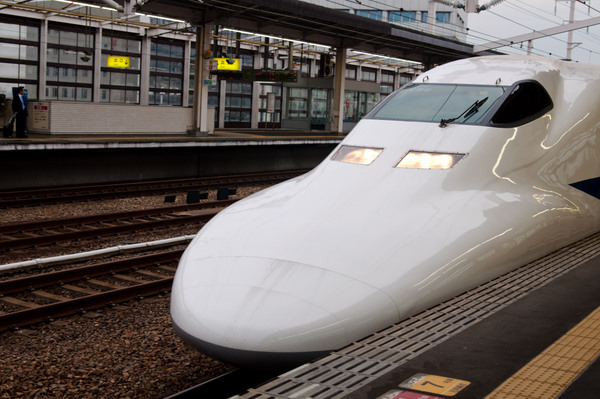
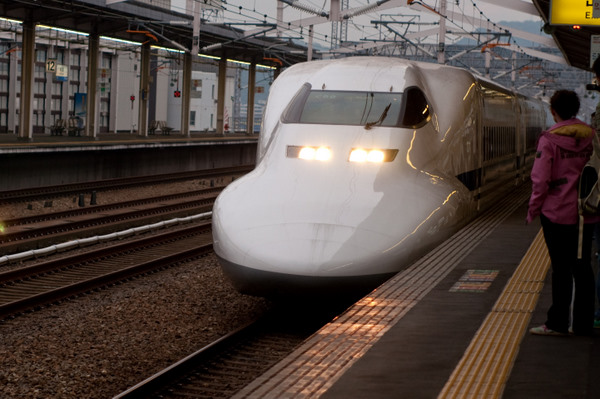
During our trip in Japan, we travelled across the country by trains and Shinkansen. The Shinkansen, a high speed “bullet train”, was fantastic. The Nozomi service is the fastest, with the trains reaching speeds of up to 300 km/h (!). You can’t travel on Nozomi on a Japan Rail pass, so we were on the Hikari trains, which stop more often and reach speeds of 220km/hr – 280km/hr.

Shinkansen


The Shinkansen is seriously fantastic! The trains pull into the station within a minute of their scheduled arrival (just like all trains in Japan, actually) and depart almost to the second of their scheduled departure. Inside the trains, the seats are wide, spacious, clean and very comfortable. There’s no fuss of needing to check baggage or clear security, you just walk on to the train, take a seat and in a couple of hours you’re in a different part of the country. It’s a shame that Australia doesn’t have the population to support high speed rail between cities because taking the train was a hundred times better than flying.

You can’t eat on normal trains in Japan, but the Shinkansen is an exception. Someone with a snack cart comes down the aisle every now and again, and you can purchase drinks, snacks and bento boxes. There are also stalls in all the stations that sell bento boxes to take on the train. Here are some pictures of the assorted bento boxes we ate.

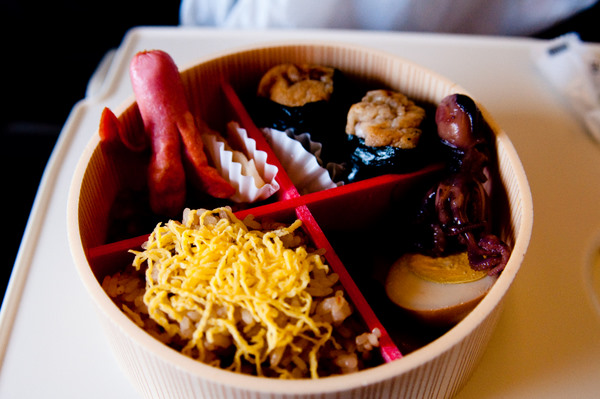
Bento


This one was an octopus themed bento box - rice, a sausage cut to look like an octopus (cute!), takoyaki balls, baby octopus, half an egg, and pickles. I was pretty much expecting that the baby octopus would be tough and fairly inedible, but it was surprisingly tender. The takoyaki was not great though, but I suppose that is to be expected!

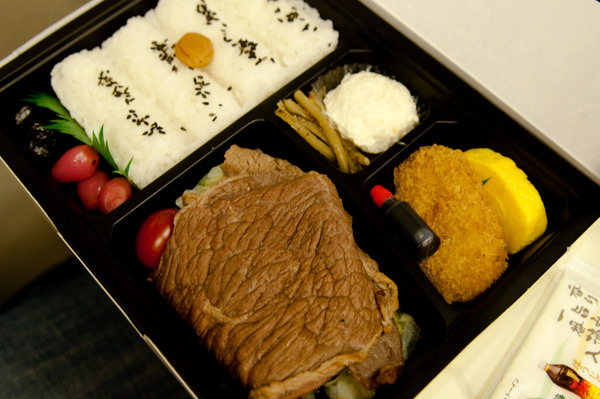
Bento


This one was Alastair’s and it was appropriately man sized - it was massive! There were two layers of thin steak, rice, pickles, tamago, potato salad and crumbed pork. There was something underneath the steak but I can’t remember what it was now – possibly salad or vegetables, judging by the cherry tomato you can see peeking out.

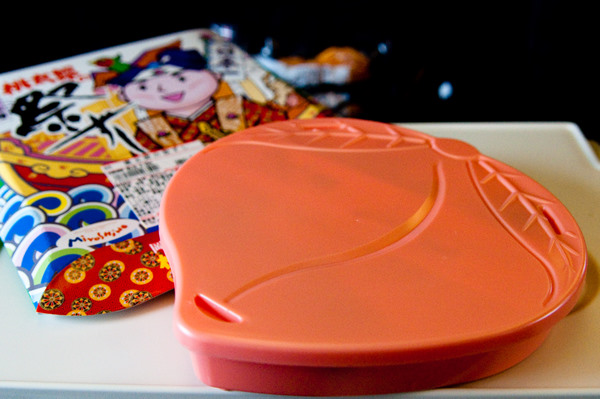
Bento


This one was purchased on the Shinkansen - look how cutely it was packaged. It's a giant peach!

Bento


Unfortunately, taste wise it was not great. At the bottom was a layer of vinegared rice, covered by flavourless egg, and then on top was various seafood. It was all kind of bland and unexciting. Some of the fish was really vinegary as well, and it just didn't do it for us. Oh well.

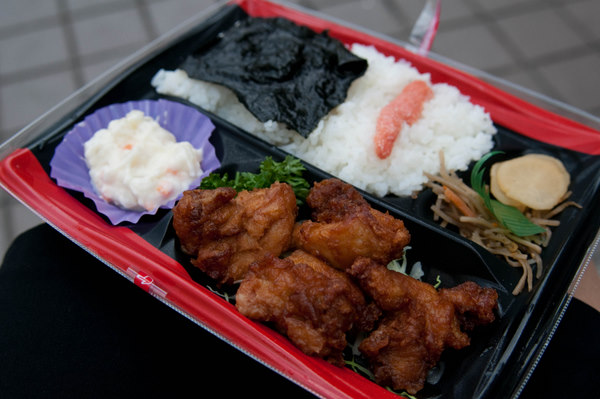
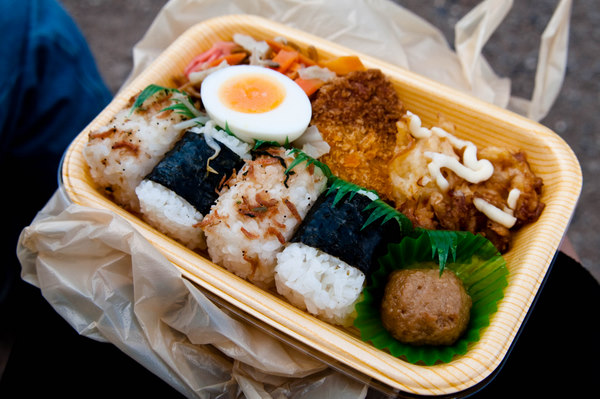
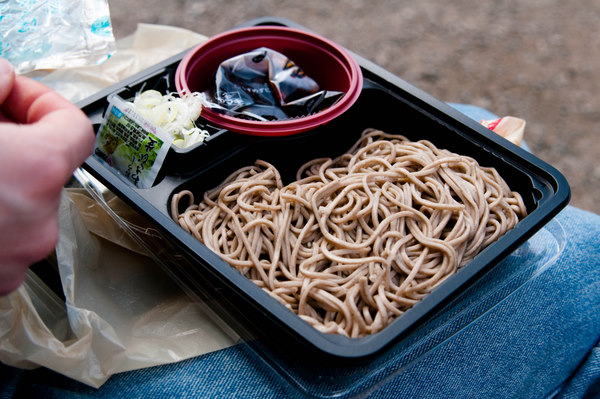
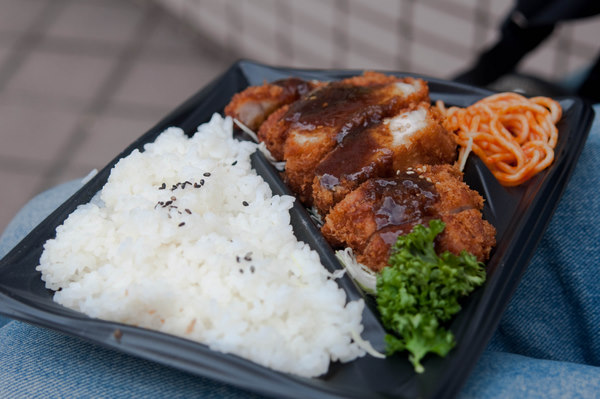
Aside from buying bento on the Shinkansen and at the train station, every convenience shop and supermarket that we went also sold bento. Microwaves were available to heat them up if they were meant to be eaten warm. They were generally quite cheap so were good for an inexpensive lunch. At the beginning of our trip, I was a bit worried about our budget and tried to eat more cheaply. Lots of people gave me the impression that Japan was really expensive, but after a couple of days I figured out that food wasn't particularly expensive (Japanese food that is, I think Western food is a different story. But why would you visit Japan and eat Western food anyway?). I mean, food might be expensive compared to the rest of Asia, but not if you compare it to a Western country. So I relaxed after a couple of days and after that there were no more convenience shop bentos! Here are some from early in our trip:

Bento


This one had rice, nuggets of fried pork (I think! either pork or chicken) and potato salad.

Bento


This one had crumbed pork, half a boiled egg, rice, noodles and that brown thing was a fishy/seafoody ball. It was better than it looks and sounds.

Bento


This one was pretty simple, just soba noodles with dipping sauce.

Bento


And this one had fried pork, rice, and a bit of spaghetti. The spaghetti bit was a bit strange, but the pork was nice.

I should mention the negatives though, I felt bad about all the packaging associated with the bentos. And while we tried very hard not to use disposable chopsticks in Japan, the bentos that we purchased to eat on the Shinkansen came with disposable chopsticks inside the packaging, so we couldn't refuse them. Gah. And I've read that the convenience shops throw out a lot of their perishable food at the end of the day, which contributes to the rather staggering amount of food waste in Japan.

Even with the negatives, it's a shame that convenience shops in Australia don't sell food like this - it's better than a dodgy sandwich or meat pie any day!


Sunday, January 3, 2010

Lemon cheesecake

Lemon cheesecake


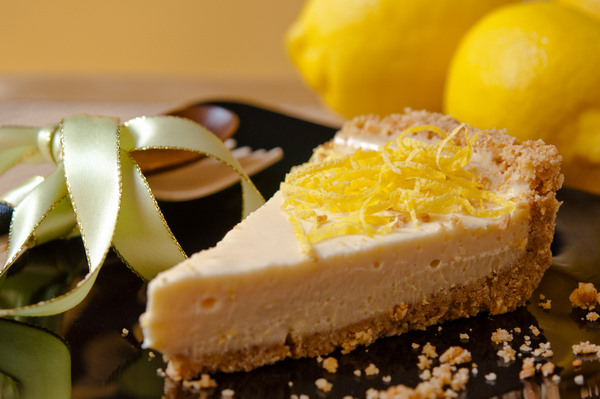
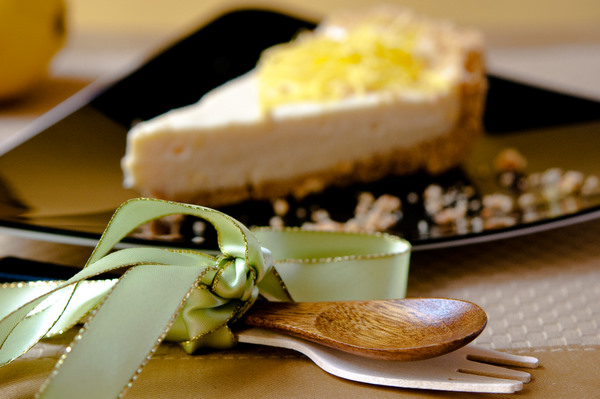
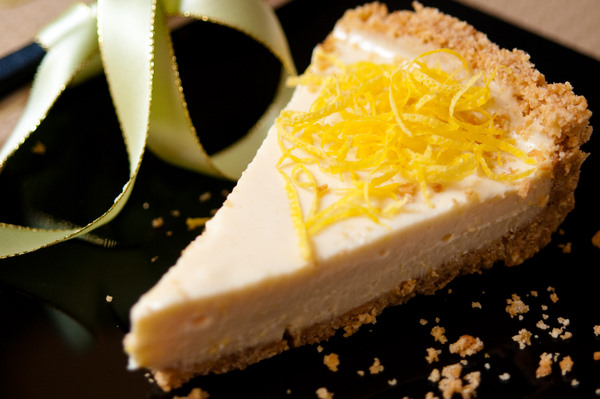
Mhmmmm cheesecake. I love cheesecake but it's not something I have often because it's so decadent. But any food consumed during Christmas has no calories (right??) so I took this cheesecake along on the day. There was tons of food already, so we only ate half of it, and the other half went home with me. I was super happy - because it meant I was able to plate up a piece to take photos. That's right, I didn't care about eating the leftovers, I just wanted to photograph it!

I have made baked cheesecakes tons of times before (see here or here), but have never made a gelatine based cheesecake. It's actually much easier to make than a baked one, although I really do like a baked cheesecake.

Lemon cheesecake


If you're like me, and don't like your desserts sickly sweet, this cheesecake is perfect. I think I added double the amount of rind specified (I grated the rind of two lemons and just decided to add it all in) so it was tangy, but not too much so. The biscuit base did seem quite soft, although perhaps that was due to sitting in the fridge for a day. Next time I make it, I'm going to try baking the biscuit base in the oven to firm it up more.

I do still prefer a baked cheesecake over unbaked, but this is a good version and I'll make it again. What about you - do you have a cheesecake preference? Do baked cheesecakes or unbaked cheesecakes have your heart?

Lemon cheesecake


Lemon cheesecake

From The Australian Women's Weekly Food We Love

Serves 8


250g packet plain sweet biscuits
125g butter, melted
250g cream cheese, softened
395g sweetened condensed milk
2 teaspoons finely grated lemon rind
1/3 cup lemon juice
1 teaspoon gelatine
1 tablespoon water

In a food processor, pulse the biscuits until they resemble fine breadcrumbs. Add the melted butter and process until combined. In a 20cm springform tin, press the biscuit mixture evenly over the base and side, and refridgerate for about 30 minutes or until the biscuit mixture is firm.

Beat the cream cheese with an electric mixer until it is smooth. Add the condensed milk, rind and lemon jice and beat until smooth.

In a small heatproof bowl, sprinkle the gelatine over the water, and stand the bowl in a small pot of simmering water. Whisk until the gelatine dissolves and let it cool for 5 minutes.

Stir the gelatine mixture into the cream cheese mixture. Pour it into the biscuit crumb crust, cover and refrigerate for about 3 hours or overnight until set.


Related Posts with Thumbnails